
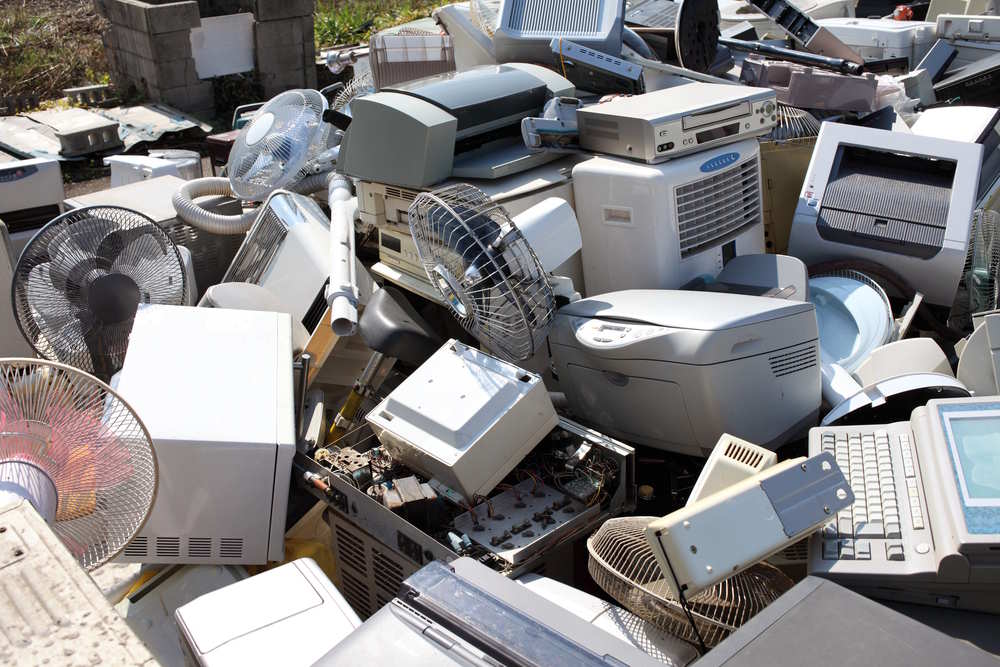
 Electronic waste, known as e-waste, represents one of the fastest-growing waste streams globally. Discarded devices like smartphones, laptops, servers, and appliances release harmful toxins into the environment and risk exposing confidential data without proper management.
E-waste recycling stands out as the optimal approach. It extracts valuable resources, minimizes ecological damage, and fosters a circular economy. This post explores key advantages of recycling, positioning it as an essential guide for sustainability, regulatory adherence, and secure IT asset disposition.
Environmental Protection via Recycling
E-waste recycling plays a vital role in safeguarding the environment. Devices frequently harbor dangerous elements like lead, mercury, and cadmium, which can seep into soil and waterways when dumped improperly, endangering wildlife and human health.
Through recycling, toxic parts undergo safe treatment, while recoverable metals and plastics get repurposed for manufacturing. This cuts down on resource mining, a process that’s resource-heavy and destructive, answering why proactive e-waste handling protects ecosystems and communities.
Resource Conservation in Recycling
Modern electronics hold abundant precious metals such as gold, silver, copper, and rare earths. Extracting these via mining proves expensive and ecologically harmful. Recycling retrieves these assets, looping them back into production cycles.
Such practices preserve finite supplies and lessen reliance on unstable mining operations worldwide. Businesses engaging in responsible recycling boost material efficiency and secure enduring resource sustainability.
Economic Gains from Recycling
Beyond environmental gains, e-waste recycling sparks economic potential. It generates employment across collection, transportation, dismantling, and refurbishing stages. Companies can also recoup value from obsolete gear via resale or part salvage.
This strategy helps offset technology expenses for enterprises while showcasing social accountability. Local economies thrive from the ripple effects of robust recycling sectors.
Compliance and Security in Disposal
Managing e-waste demands attention to data protection and legal standards. Obsolete hardware often retains critical data needing irreversible erasure. Laws like Europe’s GDPR, U.S. HIPAA, and SOX mandate secure handling to avoid breaches.
Collaborating with accredited recyclers and ITAD specialists ensures adherence, mitigates risks, and upholds brand integrity. Reliable services deliver verifiable processes for compliance and operational smoothness.
Circular Economy Through Recycling
Recycling diverts e-waste from landfills, maintaining materials in active use. It shifts from linear consumption—take, produce, discard—to a regenerative model reclaiming metals, plastics, and parts.
This reduces refuse volumes, curbs greenhouse gases, and encourages eco-friendly product design. Adopting these methods fulfills obligations while elevating organizations as innovative, conscientious leaders.
Enhancing Your Recycling Strategy
Organizations can refine existing programs for better results. Key steps to elevate ITAD and e-waste initiatives include:
- Selecting certified partners aligned with global benchmarks.
- Educating staff on correct disposal protocols.
- Embedding recycling within full IT asset lifecycles.
- Monitoring indicators like reuse percentages and waste avoidance.
- Sharing progress reports to foster stakeholder confidence.
E-waste recycling offers unmatched environmental, financial, and regulatory perks, making it the premier strategy against mounting electronic waste issues. By averting contamination, safeguarding resources, spurring employment, and advancing circular systems, it converts a crisis into avenues for eco-progress and prosperity.